


Views: 0
Agave: Growing Architectural Succulents Outdoors
Agave plants are among the most visually striking succulents for outdoor landscaping. Their sculptural rosettes, bold leaves, and impressive drought tolerance make them excellent choices for modern gardens, desert-inspired landscapes, and decorative outdoor containers.

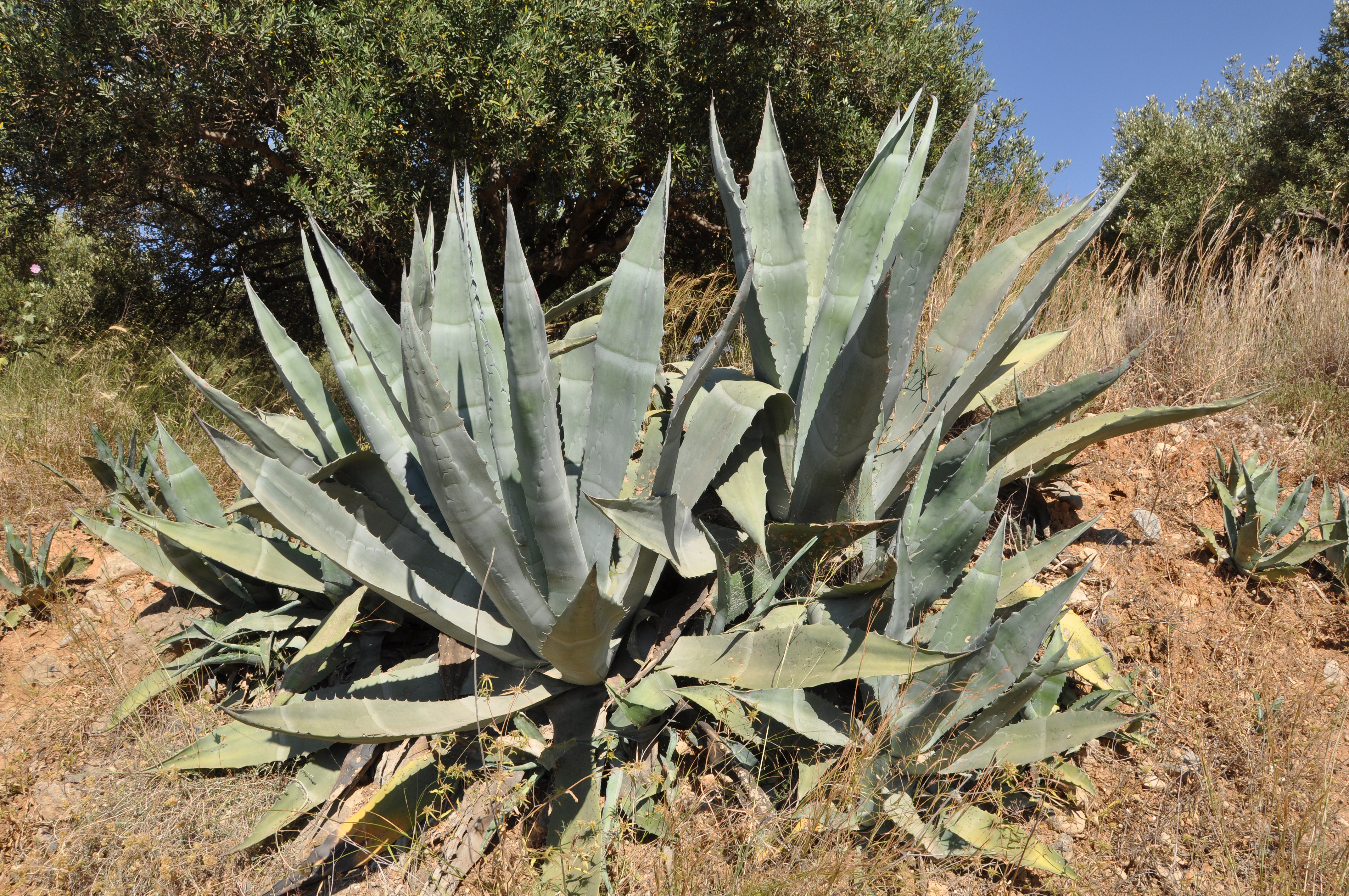
Native primarily to Mexico and other regions of the Americas, agaves belong to the asparagus family, Asparagaceae. Their thick, fleshy leaves store water, helping many species survive dry conditions and periods of intense sunshine.
From compact ornamental varieties to enormous century plants, agaves add year-round structure and natural elegance to gardens. With the right location, suitable soil, and careful watering, they can thrive outdoors for many years.
Popular Agave Varieties for Outdoor Gardens
1. Agave americana – Century Plant
Agave americana is one of the best-known species. It develops broad, blue-green leaves with sharp margins and impressive architectural form.
This large succulent works best as a focal point in spacious gardens. Mature plants require generous room for their expanding leaves and should be kept away from narrow pathways.
2. Agave attenuata – Foxtail Agave
Agave attenuata is distinguished by its graceful, arching green leaves. Unlike many other agaves, its leaves lack sharp terminal spines, making it a popular ornamental choice for sheltered courtyards and patios.
It generally prefers protection from extreme reflected heat and exceptionally harsh afternoon sunlight.
3. Agave victoriae-reginae – Queen Victoria Agave
This distinctive species produces compact, symmetrical rosettes with elegant white markings along its dark green leaves.
Its controlled growth and geometric appearance make it particularly suitable for decorative containers, small rock gardens, and carefully designed succulent displays.
4. Agave parryi – Parry’s Agave
Agave parryi is admired for its compact, blue-gray rosettes and strong architectural character. It is especially attractive in gravel gardens and rocky planting arrangements.
Its sharp leaf tips require careful placement, and its suitability for extreme summer heat depends on the local climate and growing conditions.


How to Grow Agave Outdoors
1. Choose the Right Location
Most agaves prefer bright sunlight, open surroundings, and good airflow. Many species perform well with at least six hours of direct sunlight daily.
However, sunlight requirements vary. In extremely hot regions such as the UAE, newly planted specimens and sensitive species may benefit from protection against the most intense afternoon sun.
2. Use Well-Draining Soil
Excellent soil drainage is essential for healthy agave growth. Constantly wet roots are vulnerable to rot, particularly when temperatures are high.
- Choose sandy, gravelly, or fast-draining soil.
- Improve compacted ground with a raised planting bed.
- Avoid planting where water regularly collects.
- Keep the plant’s crown away from persistently wet soil.
- Use containers with functioning drainage holes.
3. Water Agave Carefully
Although agaves are drought-tolerant, newly planted specimens need sufficient moisture to establish healthy roots.
Once established, most require only occasional deep watering during extended dry periods.
| Growing Condition | Watering Advice |
|---|---|
| Newly planted | Water thoroughly, then allow the soil to dry substantially before watering again. |
| Established outdoors | Water occasionally during prolonged dry conditions. |
| Container-grown | Monitor more frequently because containers can dry rapidly. |
| Cool or rainy periods | Reduce watering and avoid unnecessary irrigation. |
The correct watering frequency depends on the plant’s species, size, soil, drainage, temperature, and seasonal conditions. Fixed daily watering schedules are generally unsuitable for established agaves.
4. Fertilize Sparingly
Agaves naturally grow in relatively nutrient-poor environments. Excess fertilizer can encourage soft growth and may contribute to salt accumulation in the soil.
If growth is unusually weak and nutrient deficiency is suspected, use a small amount of an appropriate succulent fertilizer during active growth.
Designing a Beautiful Agave Landscape
Agaves are particularly effective in contemporary landscape architecture because their geometric leaves create strong visual focal points.
Large plants can anchor minimalist gardens, while compact species can be arranged in repeated patterns along gravel pathways or raised planting beds.
Consider combining agaves with:
- Natural stone and decorative gravel.
- Drought-tolerant ornamental grasses.
- Compatible desert-adapted shrubs.
- Terracotta or contemporary concrete planters.
- Subtle outdoor landscape lighting.
Allow sufficient room for each plant’s mature size. Avoid placing sharp-spined species beside children’s play areas, narrow walkways, or frequently used seating spaces.
Propagating Agave from Offsets
Many agave species produce small plants, called offsets or pups, around the parent rosette. These can often be separated and grown independently.
- Choose a healthy offset, preferably with established roots.
- Wear thick protective gloves and carefully expose its base.
- Separate the offset using a clean, sharp tool.
- Allow damaged or cut surfaces to dry and callus.
- Plant in a well-draining succulent growing medium.
- Water cautiously while the new plant establishes roots.
Some agave species rarely produce offsets and are instead propagated from seeds or other reproductive structures.
Common Agave Problems and Solutions
| Problem | Possible Cause | Solution |
|---|---|---|
| Soft, yellowing leaves | Excessive watering or root damage | Inspect drainage and reduce watering. |
| Brown, scorched areas | Sudden exposure to intense sunlight | Provide temporary shade and gradual acclimation. |
| Wrinkled leaves | Dehydration or damaged roots | Inspect soil moisture and root health. |
| Collapsing central leaves | Crown rot or pest infestation | Inspect the plant promptly for internal damage. |
| Weak or stretched growth | Insufficient light | Move gradually toward brighter conditions. |
Agave snout weevils are serious pests in some regions. Their larvae can damage the base of susceptible plants, sometimes causing sudden collapse. Early identification and regionally appropriate pest management are important.
Do Agave Plants Flower?
Many agaves are monocarpic, meaning an individual rosette flowers once during its lifetime and then dies.
Depending on the species and growing conditions, flowering may occur after many years or even decades.
Some species develop spectacular flowering stalks reaching several meters in height. Their flowers can provide food for pollinators, including insects, birds, and bats.
Although the parent rosette eventually dies, surviving offsets and seeds can produce new generations.
Growing Agave in Hot Desert Climates
Agaves can be excellent choices for dry regions, including parts of the United Arab Emirates, but not every variety tolerates extreme summer conditions equally well.
High temperatures, reflected heat from paving, and frequent automatic irrigation can create challenges even for drought-tolerant plants.
Important Tips for Desert Gardens
- Choose species suited to extreme heat and local conditions.
- Give sensitive plants afternoon shade during severe summer heat.
- Avoid continuous irrigation from adjacent lawns.
- Plant in raised areas if drainage is poor.
- Allow young plants to acclimate gradually to direct sunlight.
- Use well-draining containers for ornamental patio displays.
- Check regularly for rot, pests, and sun damage.
Remember that drought tolerance does not always mean tolerance of unlimited heat. Careful plant selection remains essential.
Final Thoughts
Agaves combine sculptural beauty, impressive resilience, and relatively low maintenance requirements, making them valuable additions to outdoor landscapes.
Whether you prefer the dramatic form of Agave americana, the graceful foliage of Agave attenuata, or the compact geometry of Queen Victoria Agave, there is a variety suited to many garden designs.
By providing excellent drainage, suitable sunlight, careful irrigation, and adequate growing space, gardeners can enjoy these remarkable architectural succulents for many years.
References and Image Credits
For additional plant care information, consult:
Photographs: Wikimedia Commons contributors MJJR, Batsv, Arn, Magnus Manske, and Stephanie cheks. The photographs have individual reuse licenses and attribution requirements. See their original file descriptions:
- Agave americana – MJJR
- Agave attenuata – Batsv – CC BY-SA 4.0
- Queen Victoria Agave – Arn – CC BY 4.0
- Agave parryi – Magnus Manske
- Agave americana – Stephanie cheks – CC BY-SA 4.0


Image sources are linked for attribution and license verification. Check the applicable license terms, including any share-alike obligations, before publishing.