


Views: 5
Lavender: Growing, Pruning and Common Problems


9
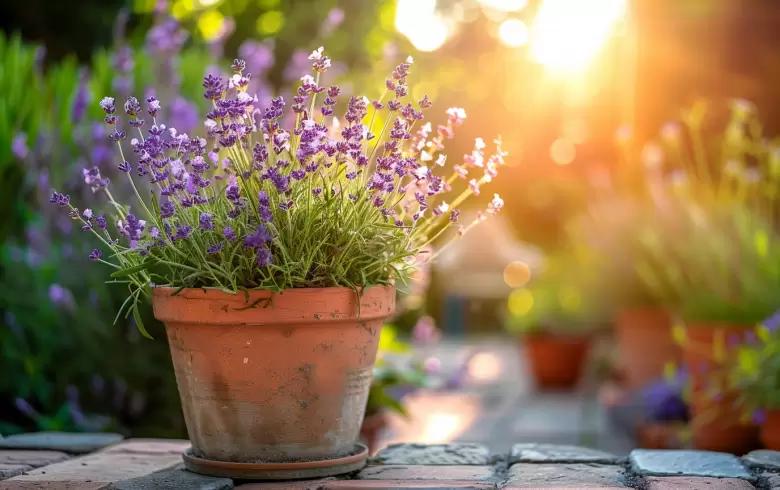
Lavender (Lavandula) is one of the most beloved aromatic plants, known for its beautiful purple flowers, silvery-green foliage, and soothing fragrance. Whether grown in garden borders, containers, or herb gardens, lavender brings Mediterranean charm to outdoor spaces while attracting bees, butterflies, and other pollinators.
Although lavender is relatively easy to maintain, successful cultivation depends on three essential factors: plenty of sunlight, excellent soil drainage, and careful watering. Understanding how to grow, prune, and troubleshoot lavender will help keep plants healthy, compact, and full of flowers.
1. Understanding Lavender: Types and Characteristics
Lavender belongs to the mint family, Lamiaceae. Most cultivated lavenders are evergreen or semi-evergreen shrubs adapted to sunny environments and relatively dry soils.
| Lavender type | Characteristics | Best suited for |
|---|---|---|
| English lavender (L. angustifolia) | Strong fragrance, compact growth, good cold tolerance | Temperate gardens, borders |
| Lavandin (L. × intermedia) | Larger growth, long flower stems, aromatic blooms | Larger gardens, harvesting |
| Spanish lavender (L. stoechas) | Distinctive flowers with colorful top bracts | Warm, well-drained gardens |
| French lavender (L. dentata) | Toothed leaves, ornamental flowers, lower frost tolerance | Mild climates, containers |
Lavender varieties differ in flower shape, mature size, climate tolerance, and fragrance. Choosing the appropriate variety is the first step toward successful cultivation.
2. How to Grow Lavender Successfully


7
Choosing the right location
Lavender grows best in an open, sunny location with good air circulation. Most varieties prefer at least six hours of direct sunlight daily, with longer exposure often supporting stronger flowering in suitable climates.
Avoid excessively shaded areas, poorly drained garden beds, and locations that remain damp for long periods.
Preparing the soil
Lavender generally prefers:
- Well-draining, sandy, gravelly, or chalky soil.
- Neutral to slightly alkaline growing conditions.
- Low to moderate soil fertility.
- A root zone that does not remain waterlogged.
Heavy clay soils can be improved by creating raised planting beds rather than relying on a little sand added to the planting hole.
Planting step by step
- Select a healthy nursery plant with strong stems and no signs of root rot.
- Prepare a planting area with sufficient drainage.
- Dig a hole approximately as deep as the root ball and somewhat wider.
- Position the plant at the same soil depth as in its original container.
- Backfill gently without burying the crown.
- Water thoroughly to settle the soil.
- Allow appropriate spacing for mature growth and air circulation.
For containers, a pot approximately 30–40 cm wide with drainage holes is suitable for many lavender varieties.

RHS
+1
3. Watering and Fertilizing Lavender
One of the most common lavender-growing mistakes is excessive watering.
Newly planted lavender requires more consistent moisture while its root system develops. Mature plants become relatively drought tolerant when grown in suitable soil.
Watering guidelines:
- Check soil moisture before watering.
- Water deeply when needed, rather than giving frequent shallow sprinkles.
- Let excess water drain freely.
- Water containers more often than established plants in the ground when hot conditions cause them to dry out.
- Reduce watering during cool or rainy periods.
Lavender rarely needs heavy fertilization. Too much nitrogen can encourage soft foliage at the expense of flowers.
4. How and When to Prune Lavender


11
Pruning is essential for maintaining an attractive, rounded shape and preventing lavender from becoming overly woody.
Best time to prune
The primary pruning period is usually immediately after the main flowering season, provided there is enough suitable growing weather for recovery.
In cooler climates, a light spring cleanup may also be helpful. Avoid severe pruning just before frost or during extreme environmental stress.
Proper pruning technique
- Remove dead or damaged stems.
- Cut off spent flower spikes.
- Lightly trim the leafy portion of the plant.
- Shape the shrub into a rounded mound.
- Leave healthy green growth on the remaining stems.
Important: Do not cut deeply into old, leafless, woody stems. Lavender often struggles to produce new shoots from these areas.
The Royal Horticultural Society recommends annual trimming after flowering, removing faded flower stalks and a small amount of leafy growth.
RHS
+1
5. Common Lavender Problems and Solutions
| Problem | Likely cause | Recommended action |
|---|---|---|
| Yellowing leaves | Excessive watering or drainage problems | Check soil moisture and improve drainage |
| Brown, dying stems | Root rot, drought, or environmental stress | Inspect roots and soil before changing care |
| Few or no flowers | Insufficient sunlight, excessive nitrogen, or unsuitable climate | Improve light exposure and avoid overfeeding |
| Woody, open growth | Infrequent pruning or aging | Maintain annual light pruning; replace very old plants if necessary |
| Wilting foliage | Drought, heat stress, or damaged roots | Check root-zone moisture and drainage |
| White powdery growth | Possible powdery mildew | Improve airflow and confirm the disease |
| Insect damage | Leafhoppers, rosemary beetles, or other pests | Identify the insect and treat only when necessary |
Root rot is among the most serious lavender problems, particularly where soil remains saturated. Moving affected plants to better-drained conditions may help if sufficient healthy roots remain.
RHS
6. Growing Lavender in Hot Climates
Lavender’s drought tolerance does not mean every variety can survive extreme desert summers.
In very hot regions, including the UAE and other Gulf countries, plants may struggle with intense afternoon heat, hot containers, warm nights, and humidity.
For better results, select a variety suited to your local conditions, grow it in fast-draining containers, and consider morning sunshine with some protection from the harshest afternoon heat. Check moisture regularly without keeping the soil constantly wet.
Planting during the milder months generally gives lavender a better opportunity to establish before summer.
Spanish and French-type lavenders may be worth trying, but no variety should be assumed to tolerate extreme summer conditions without appropriate care.
7. Propagating Lavender From Cuttings


Lavender can be propagated through seeds or stem cuttings. Cuttings are especially useful because they generally preserve the characteristics of the parent cultivar.
Choose a healthy, non-flowering shoot and take a cutting approximately 8–10 cm long. Remove the lower leaves, insert the stem into a well-draining propagation medium, and keep it in bright indirect light with gentle moisture.
Roots may develop over several weeks, depending on temperature, variety, and growing conditions. Once the cutting has established a healthy root system, transfer it into an individual container.
8. Harvesting and Using Lavender Flowers
Lavender flowers can be harvested for decorative and aromatic purposes.
For drying, harvest flower stems when many buds are colored and some flowers have begun to open. Gather small bundles and hang them upside down in a shaded, dry, well-ventilated space.
Dried lavender is commonly used in sachets, potpourri, decorative arrangements, and fragrant crafts. Only use lavender in food when the plant has been correctly identified as an edible variety and grown without unsuitable chemical treatments.
9. Frequently Asked Questions
Does lavender grow well in pots?
Yes. Containers are an excellent option when garden soil drains poorly. Use a pot with large drainage holes and a suitable free-draining growing mix.
Why is my lavender turning brown?
Browning can result from waterlogged roots, prolonged drought, disease, or temperature stress. Examine the stems, roots, and soil moisture before deciding on treatment.
Can lavender grow indoors?
It can be difficult because lavender needs strong light and airflow. A bright outdoor balcony or patio is generally a better location where the climate allows.
How often should lavender be pruned?
Most established lavender plants benefit from annual pruning after flowering, with occasional light maintenance as needed.
How long does lavender live?
Lavender is a perennial shrub, but longevity depends on its variety, growing environment, and maintenance. Some plants eventually become woody and need replacement.
Conclusion
Growing beautiful lavender is primarily about reproducing the conditions it naturally prefers: abundant light, free-draining soil, moderate fertility, and careful watering.
Regular pruning helps maintain compact growth, while early identification of drainage, disease, and temperature problems can prevent unnecessary plant losses. With the right variety and growing environment, lavender can provide years of fragrant flowers and ornamental beauty.
SEO details for WordPress
| Field | Ready-to-use content |
|---|---|
| SEO Title | Lavender: Growing, Pruning and Common Problems |
| Focus Keyphrase | How to Grow Lavender |
| Slug | lavender-growing-pruning-common-problems |
| Category | Plants / Gardening Guides |
| Meta Description | Learn how to grow lavender, prune it correctly, prevent root rot, solve common problems, and keep your lavender plants healthy and blooming. |
| Image Alt Text | Purple lavender flowers growing in a sunny garden |
| Excerpt | Discover everything you need to know about growing lavender, from planting and watering to pruning, propagation, and identifying common plant problems. |
WordPress tags (copy ready):
Lavender, Lavender Care, Growing Lavender, Lavender Pruning, Lavender Plants, English Lavender, Spanish Lavender, French Lavender, Lavender Problems, Lavender Root Rot, Gardening Tips, Herb Gardening, Aromatic Plants, Container Gardening, Mediterranean Plants, Plant Propagation, Flowering Plants, Drought Tolerant Plants
Copy tags
Authoritative sources
The article is ready for editorial use on your plants website, with sections covering growing, pruning, propagation, common problems, and hot-climate care. The images above are visual references; check usage rights before republishing them.
Create copy-ready WordPress HTML with picturesCreate a lavender post thumbnail