
Views: 13
Peace Lily: Light, Watering and Common Problems


9
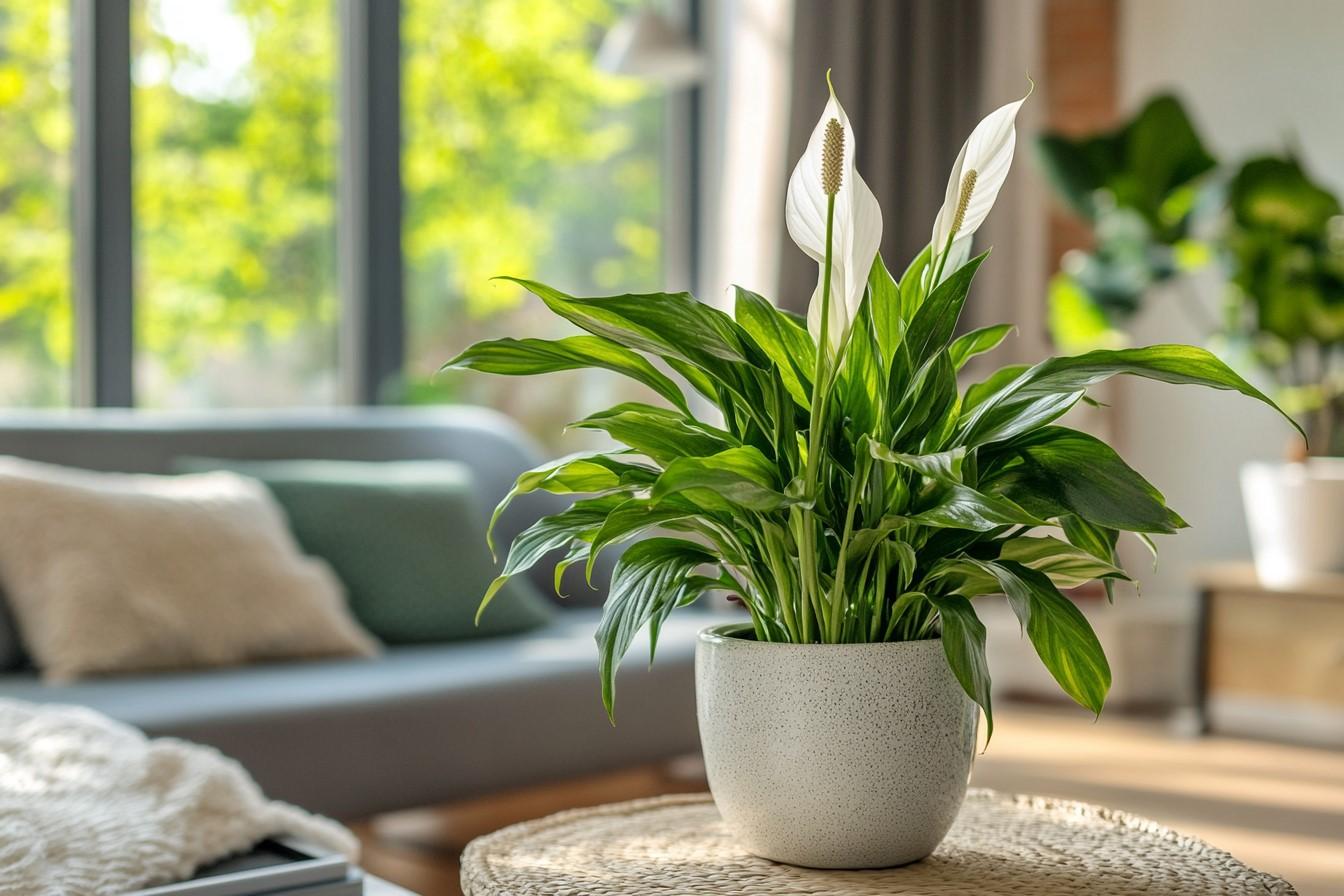
The Peace Lily (Spathiphyllum) is one of the most popular indoor plants, admired for its glossy green leaves and elegant white blooms. Although relatively easy to maintain, it requires the right balance of light, moisture, and temperature to stay healthy.
1. Ideal Lighting Conditions
Peace Lilies grow best in bright, indirect sunlight, although they tolerate lower light levels.
- Bright indirect light: Encourages healthy growth and flowering.
- Low light: The plant can survive, but growth slows and flowering becomes less frequent.
- Direct sunlight: Can scorch leaves, producing brown or yellow patches.
Place your Peace Lily near an east-facing window or a few feet away from a bright window with filtered sunlight.
2. How Often Should You Water?

Peace Lilies prefer consistently lightly moist soil, but their roots should never remain waterlogged.
| Condition | Watering guidance |
|---|---|
| Warm, bright conditions | Check soil every 3–5 days |
| Cooler, lower-light conditions | Check soil weekly |
| Top 2–3 cm of soil feels dry | Water thoroughly |
| Soil remains wet | Wait before watering |
Always use a pot with drainage holes. Water until excess drains out, then empty the saucer.
Important: A drooping Peace Lily is not always thirsty. Overwatering and root damage can also cause wilting.
3. Common Peace Lily Problems

Brown leaf tips
Often caused by inconsistent watering, dry air, excess fertilizer, or mineral and salt buildup. Improve watering consistency and consider filtered water if your tap water is highly mineralized.

Yellow leaves
May result from overwatering, poor drainage, aging foliage, or unsuitable light. Check soil moisture and root health before changing your watering routine.

Drooping leaves
Commonly caused by dry soil, but can also indicate soggy roots. Test the soil before watering.

No white flowers
Insufficient light is a common reason. Move the plant to brighter indirect light and fertilize lightly during active growth.
4. Temperature, Humidity and Soil
Peace Lilies are tropical plants that prefer warm, stable indoor environments.
| Factor | Recommended conditions |
|---|---|
| Temperature | 18–27°C |
| Humidity | Moderate to high, ideally 50–60% or more |
| Soil | Loose, organic-rich, well-draining mix |
| Fertilizer | Diluted balanced fertilizer every 6–8 weeks during active growth |
| Repotting | Approximately every 1–2 years, or when rootbound |
In hot climates such as the UAE, keep Peace Lilies indoors, away from strong afternoon sunlight and direct air-conditioning drafts.
5. Simple Peace Lily Care Checklist
Plant care routine
0 of 6 completedPlace in bright, indirect lightCheck soil moisture before wateringEmpty excess water from the saucerInspect leaves for pests and discolorationClean dusty leaves with a damp clothCheck roots and drainage periodically
6. Are Peace Lilies Safe for Pets?
Peace Lilies contain insoluble calcium oxalate crystals that can cause mouth irritation, drooling, and vomiting if chewed by cats, dogs, or children. Keep them out of reach. Despite their name, they are not true lilies.
Conclusion
The secret to a healthy Peace Lily is bright indirect light, careful watering, good drainage, and stable humidity. With proper care, this elegant tropical plant can remain attractive for years and produce beautiful white blooms periodically.
A Peace Lily is an excellent choice for homes and offices, bringing natural greenery and a calm, sophisticated appearance to indoor spaces.