
Views: 9
Jasmine: How to Grow Fragrant Flowers at Home
Jasminum Sambac – Cultiva la Reina de las Flores de Dulce Aroma en Tu Jardín | organicindiaseeds
Arabian Jasmine (Jasminum sambac) Flower Growing Guide: How to Grow Ar
Green Paradise® Exclusive Live Moti Mogra Plant (Jasminum sambac) – Fr – GreenParadiseLive
10
Jasmine is one of the most beloved flowering plants, admired for its delicate blossoms, lush green foliage, and enchanting fragrance. Whether grown in a garden, on a balcony, or indoors near a sunny window, jasmine can bring natural beauty and a refreshing floral scent to your home.
With the right sunlight, watering, soil, and pruning, jasmine plants can produce beautiful flowers throughout their growing season. This guide explains how to grow healthy jasmine plants and encourage abundant, fragrant blooms.
1. What Is Jasmine?
Jasmine belongs to the genus Jasminum, part of the olive family (Oleaceae). It includes climbing vines and shrubs, many of which produce highly fragrant white, cream, or pale pink flowers.
Jasmine is widely cultivated in warm climates and is valued for ornamental gardening, floral decorations, perfumes, and, in certain varieties, scented tea.
Popular Jasmine Varieties
Arabian Jasmine (Jasminum sambac) Flower Growing Guide: How to Grow Ar
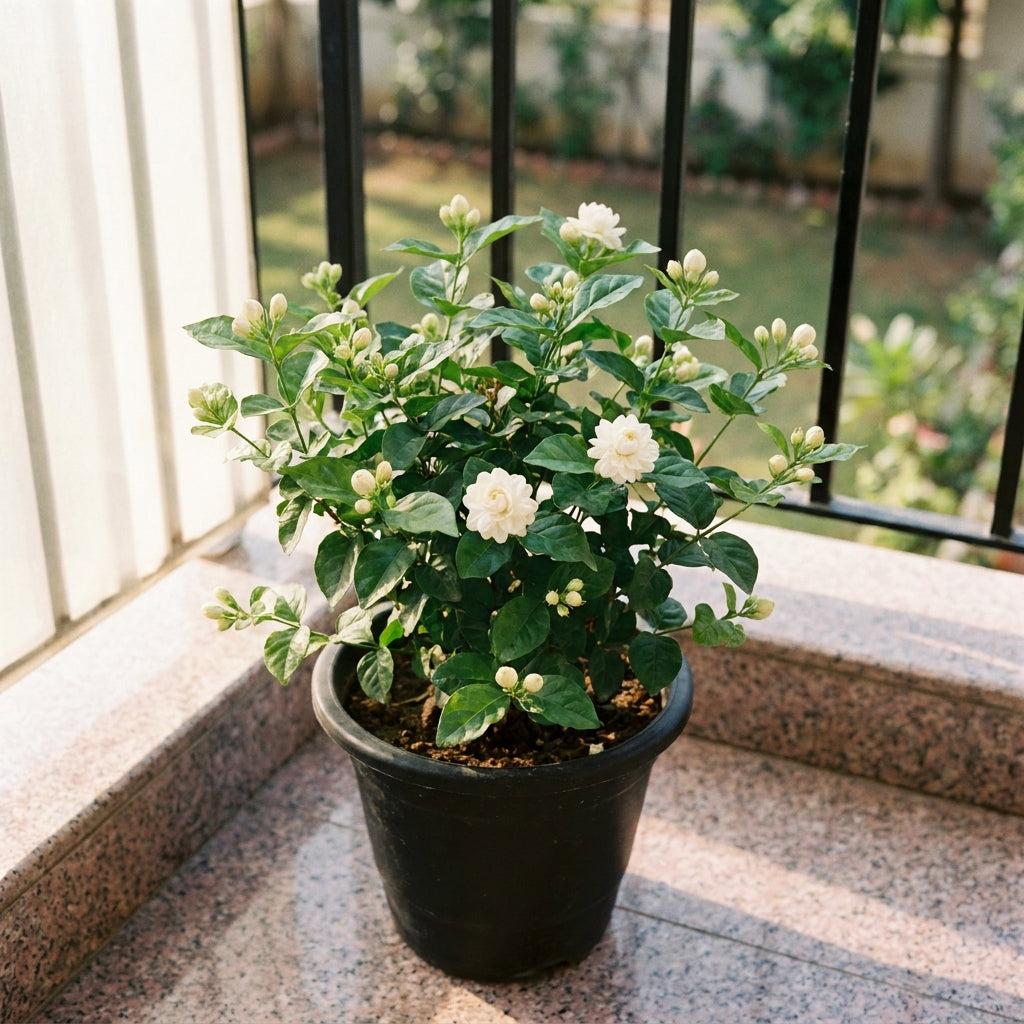
Arabian Jasmine (Jasminum sambac)
Famous for its intensely fragrant white flowers. Suitable for containers, warm gardens, and bright indoor spaces.
Common Jasmine (Jasminum officinale)
A vigorous climbing plant with clusters of sweetly scented white flowers. Ideal for trellises, fences, and pergolas.
Jasmine polyanthum, Pink Jasmine
Pink Jasmine (Jasminum polyanthum)
Produces clusters of pink buds that open into fragrant white flowers. Popular as a flowering climbing houseplant.
For gardeners in hot climates such as the UAE, Arabian jasmine is a particularly attractive choice when protected from extreme afternoon heat.
2. Ideal Growing Conditions
| Growing factor | Recommended conditions |
|---|---|
| Sunlight | Bright light, with morning sun preferred in very hot climates |
| Soil | Fertile, well-draining potting mix |
| Watering | Water when the top layer begins to dry |
| Temperature | Warm, frost-free conditions for Arabian jasmine |
| Fertilizer | Balanced or flowering-plant fertilizer during active growth |
| Pruning | Light trimming after flowering |
| Location | Balcony, patio, garden, or bright indoor window |
Different jasmine species have different temperature and flowering requirements. RHS+2
3. How to Plant Jasmine at Home
How to Grow Jasmine Inside for Big Fragrance in a Small Apartment
Follow these simple steps to establish a healthy jasmine plant:
- Choose a suitable container. Select a pot with drainage holes, slightly larger than the plant’s root ball.
- Prepare the soil. Use fertile potting soil mixed with perlite for better drainage.
- Plant carefully. Place the jasmine at approximately the same depth it occupied in its original container.
- Water thoroughly. Allow excess water to drain completely.
- Choose the right position. Place the plant where it receives plenty of light without exposure to scorching midday sun.
- Provide support if needed. Climbing jasmine varieties benefit from a trellis or other structure.
4. Watering Jasmine Correctly
Consistent watering is important, particularly when jasmine is growing in containers.
During warm weather, check the soil frequently and water thoroughly when the upper layer starts to dry. Avoid allowing the pot to remain waterlogged, as poorly drained soil can damage the roots.
In cooler weather or during slower growth, reduce watering frequency.
Important: Jasmine in a small outdoor pot may need watering more frequently than a mature jasmine planted in the ground.
5. How to Encourage More Flowers
White blossom of Arabian jasmine
Healthy foliage alone does not guarantee abundant flowers. To encourage blooming:
- Provide sufficient bright light and some direct sunlight appropriate to the species.
- Feed container-grown plants during active growth, following fertilizer instructions.
- Avoid excessive nitrogen fertilizer, which can encourage leafy growth.
- Trim spent flowering growth at the appropriate time for the variety.
- Maintain steady watering without keeping the soil constantly saturated.
- Protect flower buds from extreme heat, dry winds, and abrupt environmental changes.
According to the Royal Horticultural Society, a high-potassium liquid fertilizer can help flowering jasmine grown in containers. RHS
6. Growing Jasmine Indoors
Jasmine can thrive indoors when its light and environmental requirements are met.
Position the plant near a bright east- or west-facing window where it can receive some direct sunlight. Provide good air circulation, avoid cold air-conditioning drafts, and check the soil regularly.
Arabian jasmine prefers warmth, while certain other varieties may need a cooler period to stimulate flowering. Indoor plants may also benefit from additional humidity in dry environments. NYBG Mertz Library Reference
7. Pruning and Propagation
Pruning keeps jasmine compact, encourages branching, and removes weak or damaged stems.
For many flowering jasmine varieties, pruning after their main flowering period helps prevent accidentally removing developing flower buds.
Jasmine can also be propagated using stem cuttings. Take healthy non-flowering shoots, place them in a moist, well-draining propagation medium, and maintain humidity until roots develop. The best cutting season depends on the species. RHS
8. Common Jasmine Problems and Solutions
| Problem | Possible cause | Recommended solution |
|---|---|---|
| Yellow leaves | Overwatering, poor drainage, or nutrient problems | Check soil moisture and drainage |
| No flowers | Insufficient light or inappropriate pruning | Improve light and review pruning schedule |
| Brown leaf edges | Heat, dry air, or inconsistent watering | Provide afternoon shade and consistent moisture |
| Drooping leaves | Dry soil or root stress | Check moisture before watering |
| Sticky leaves | Aphids, scale, or mealybugs | Inspect and treat affected growth |
| Fine webbing | Spider mites | Inspect leaf undersides and manage infestation |
Jasmine is generally resilient when grown under suitable conditions, but indoor plants can be susceptible to mealybugs and spider mites. RHS
9. Growing Jasmine in Hot Climates
In locations such as Abu Dhabi and Dubai, intense summer sunlight can stress container-grown jasmine.
For better results, use these seasonal approaches:
- October to April: Take advantage of milder weather for outdoor growth and establishment.
- May to September: Protect pots from intense afternoon sunlight, monitor moisture closely, and avoid placing plants beside heat-reflecting walls.
- Year-round: Keep containers well drained and move vulnerable plants to a more sheltered position during extreme weather.
Arabian jasmine is especially suitable for exploring as a fragrant patio or balcony plant in warm, frost-free conditions.
10. Frequently Asked Questions
Can jasmine grow in pots?
Yes. Many jasmine varieties grow successfully in pots, provided they have sufficient light, adequate space, and good drainage.
How long does jasmine take to flower?
Flowering depends on the species, plant maturity, growing conditions, and season. Established plants may bloom during their normal flowering season, while young plants can take longer.
Does jasmine bloom all year?
Some tropical varieties, including Arabian jasmine, can flower repeatedly in favorable warm conditions. Others have distinct seasonal flowering periods.
Can jasmine grow in shade?
Many varieties tolerate partial shade, but deep shade often reduces flowering.
Which jasmine is best for beginners?
Arabian jasmine is an appealing option for beginners in warm climates, especially when grown in a manageable container.
Conclusion
Growing jasmine at home is a rewarding way to enjoy beautiful flowers and natural fragrance. By selecting the right variety, providing adequate sunlight, watering carefully, and pruning appropriately, gardeners can maintain healthy plants and enjoy fragrant blossoms for many seasons.
Whether decorating a sunny balcony or creating a scented garden corner, jasmine brings timeless elegance to almost any growing space.
WordPress SEO Settings
SEO Title
Jasmine: How to Grow Fragrant Flowers at Home
Copy
URL Slug
jasmine-how-to-grow-fragrant-flowers-at-home
Copy
Meta Description
Learn how to grow jasmine at home with expert tips on sunlight, watering, soil, pruning, and encouraging beautiful, fragrant flowers.
Copy
Primary focus keyword: How to grow jasmine
Secondary keywords: Jasmine plant care, Arabian jasmine, fragrant flowers, jasmine in pots, jasmine watering, indoor jasmine plant, jasmine pruning, jasmine flowering tips.
Category: Plants → Flowering Plants
Tags: Jasmine, Arabian Jasmine, Jasminum sambac, Fragrant Flowers, Flowering Plants, Home Gardening, Indoor Plants, Balcony Gardening, Plant Care, Jasmine Propagation, Gardening Tips, Tropical Flowers
Featured image suggestion: Close-up of white Arabian jasmine flowers surrounded by lush green leaves, with a natural soft-green background.
Featured image alt text: White fragrant Arabian jasmine flowers blooming among lush green leaves in a home garden.
Suggested internal links: Indoor Plant Care, Flowering Plants, Balcony Gardening, Soil and Fertilizer.
Authoritative references: Royal Horticultural Society – How to Grow Jasmine and New York Botanical Garden – Jasmine Houseplant Care.