

Views: 11
ZZ Plant: The Complete Low-Maintenance Care Guide
Hortology.co.uk | Quality Houseplants & Plant Pots Delivered Direct
Zamioculcas Black Raven | ZZ Plant | 8″ Pot | Easy Care Houseplant | Plantsome
8
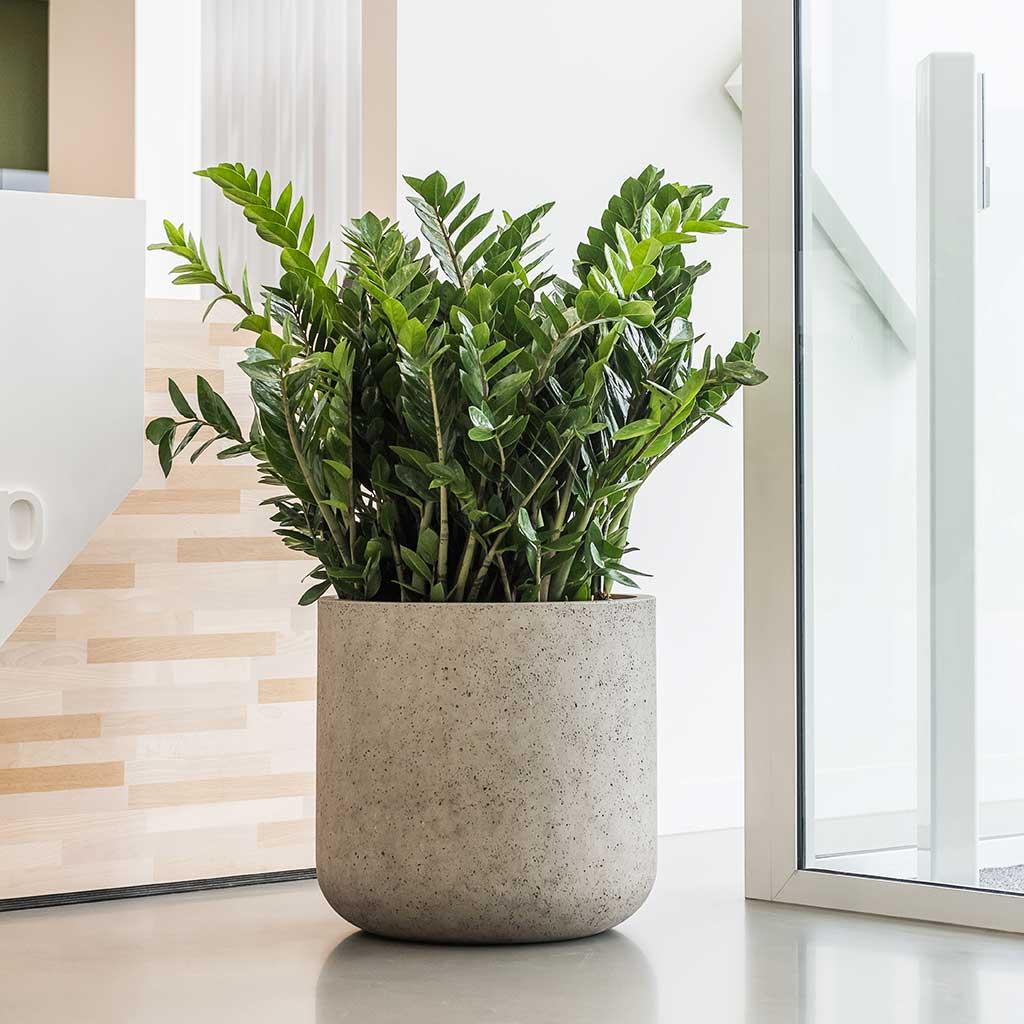
The ZZ Plant (Zamioculcas zamiifolia), also known as the Zanzibar Gem, is one of the easiest indoor plants to grow. With its glossy, dark green leaves, elegant upright growth, and remarkable drought tolerance, it is an excellent choice for beginners, busy homeowners, and office environments.
Native to eastern Africa, the ZZ Plant has developed an impressive survival mechanism: thick underground rhizomes that store water, allowing it to withstand periods of dry soil and irregular watering.
Whether you’re decorating your home or starting your first indoor plant collection, this guide explains everything you need to know to keep your ZZ Plant healthy and attractive.
1. ZZ Plant Quick Care Guide
| Care requirement | Recommendation |
|---|---|
| Botanical name | Zamioculcas zamiifolia |
| Family | Araceae |
| Origin | Eastern Africa |
| Light | Bright, indirect light; tolerates low light |
| Water | After soil dries completely |
| Typical watering | About every 2–4 weeks, depending on conditions |
| Temperature | Approximately 18–29°C |
| Humidity | Normal indoor humidity |
| Soil | Loose, well-draining potting mix |
| Fertilizer | Light feeding during active growth |
| Growth rate | Slow to moderate |
| Difficulty | Very easy |
| Pet safety | Toxic if chewed or swallowed |
These requirements are supported by horticultural guidance from Clemson University and the University of Florida. Home & Garden Information Center+1
2. The Best Lighting for a ZZ Plant
One of the ZZ Plant’s greatest advantages is its adaptability to different lighting conditions.
Bright indirect light: This is the ideal environment for healthy leaves and stronger growth. Position the plant near a bright window, but protect it from harsh afternoon sunlight.
Low light: ZZ Plants can survive in rooms with limited natural light, making them suitable for offices, corridors, and shaded living spaces. Growth will be slower in these locations.
Direct sunlight: Intense direct sunlight can scorch the foliage, producing pale, yellow, or brown patches.
Although the ZZ Plant tolerates shade, it still needs light to grow. Complete darkness is not suitable for long-term cultivation. NYBG LibGuides+1
3. How Often Should You Water a ZZ Plant?
Overwatering is the most common mistake in ZZ Plant care.
The plant stores moisture in its thick rhizomes, so it is much safer to allow the soil to dry between watering sessions than to keep it constantly moist.
Follow these steps:
- Check the soil with your finger or a wooden skewer.
- Wait until the potting mix has dried throughout.
- Water thoroughly until excess water drains through the bottom.
- Empty the saucer or decorative container.
- Wait until the soil is dry again before repeating.
As a rough starting point, watering every two to four weeks may work in many indoor environments. However, room temperature, pot size, season, and lighting conditions can change this considerably.
In air-conditioned homes, especially where the plant receives little sunlight, soil may remain moist longer than expected.
4. Choosing the Right Soil and Pot
ZZ Plants need a growing medium that drains efficiently.
A useful mix combines regular indoor potting soil with perlite and coarse material to improve aeration and drainage.
Choose a pot with drainage holes. Avoid containers that trap water around the roots, as prolonged moisture can cause rhizome rot.
Repot when the rhizomes become crowded or the plant is noticeably outgrowing its container. A pot just slightly larger than the original is usually sufficient.
5. Temperature and Humidity
ZZ Plants thrive in typical warm indoor conditions, approximately 18–29°C.
Avoid cold drafts, very cold air-conditioning outlets, and temperatures below about 10°C, which can damage the plant.
Unlike tropical houseplants that require high humidity, the ZZ Plant generally performs well in ordinary household humidity. Regular misting is unnecessary. Ask IFAS+1
6. Fertilizing Your ZZ Plant
Because ZZ Plants grow slowly, they do not need frequent fertilizer.
Apply a balanced houseplant fertilizer at a diluted concentration once or twice during the active growing season. Additional feeding is usually unnecessary unless the plant is growing vigorously and the manufacturer’s instructions support it.
Avoid overfertilizing, which may damage the roots and cause mineral buildup.
7. How to Propagate a ZZ Plant
How to Propagate ZZ Plants Through Cuttings or Division
Glücksfeder (Zamioculcas) vermehren: So geht’s – Mein schöner Garten
How to repot a ZZ plant: 3 easy steps with expert tips | Homes and Gardens
10
ZZ Plants can be propagated using two main techniques.
Division: Remove a mature plant from its pot, gently separate sections with healthy roots and rhizomes, and replant each section into a suitable container. This is generally the fastest way to produce an established new plant.
Leaf cuttings: Remove a healthy leaflet, allow the cut end to dry briefly, and insert its base into a lightly moist propagation medium. Over time, the cutting may develop a small rhizome and roots.
Leaf propagation requires patience. New rhizomes can take several months to develop, particularly under ordinary indoor conditions. University of Connecticut+1
8. Common ZZ Plant Problems
| Symptom | Possible cause | Recommended action |
|---|---|---|
| Yellow leaves | Overwatering or aging foliage | Check soil and drainage |
| Brown, crispy patches | Sunburn or severe dryness | Move away from direct sun |
| Soft, collapsing stems | Root or rhizome rot | Inspect roots and remove rotten tissue |
| Wrinkled stems | Extended dehydration | Check soil and water if fully dry |
| Very slow growth | Low light or seasonal slowdown | Provide brighter indirect light |
| Pale new leaves | Normal young growth | Allow leaves to mature |
A yellow leaf does not automatically mean the plant is overwatered. Always examine soil moisture, roots, and the overall condition before deciding how to treat it.
9. Popular ZZ Plant Varieties
Classic Green ZZ Plant
The familiar variety with glossy, deep green foliage and strong upright growth. Ideal for modern interiors and office spaces.
Zamioculcas zamiifolia ‘Raven’ | Foliage Factory
Raven ZZ Plant
A distinctive cultivar with young green shoots that gradually mature into dramatic, almost black foliage.
Zamioculcas zamiifolia ‘Zenzi’ – SarahCotta Plants
Zenzi ZZ Plant
A compact form with tightly arranged leaves and a dense appearance, well suited to smaller shelves and tabletops.
10. Is the ZZ Plant Safe for Pets?
ZZ Plants contain irritating calcium oxalate crystals. Chewing or swallowing plant material can cause mouth and throat irritation, so they should be kept away from children, cats, and dogs.
When pruning or dividing the plant, gloves are advisable for anyone with sensitive skin. Gardening Solutions+1
11. Frequently Asked Questions
Can a ZZ Plant grow without sunlight?
It can tolerate limited natural light and grow under suitable artificial lighting, but it cannot thrive indefinitely in complete darkness.
How long can a ZZ Plant survive without water?
Established plants may tolerate several weeks without watering because their rhizomes store moisture. This is a survival ability, not an ideal routine.
Should I spray water on ZZ Plant leaves?
No. Misting is generally unnecessary. Occasionally wipe dusty leaves with a soft, damp cloth.
Why is my ZZ Plant not growing?
Slow growth is normal, particularly in low light. Increasing indirect light can help encourage new shoots.
Is the ZZ Plant good for bedrooms?
Yes, provided there is adequate light and the plant is positioned safely away from children and pets. Claims that a single houseplant meaningfully purifies an entire room’s air should not be overstated.
Conclusion
The ZZ Plant is an excellent choice for anyone seeking a beautiful indoor plant without demanding maintenance. Its elegant foliage, ability to tolerate lower light, and drought-resistant rhizomes make it especially suitable for busy lifestyles.
The most important rule is simple: provide indirect light, use well-draining soil, and avoid watering too frequently.
SEO Package — Bin3aiah Plants
SEO TITLE
ZZ Plant Care Guide: Watering, Light, Soil & Growing Tips
URL SLUG
zz-plant-complete-care-guide Copy
META DESCRIPTION
Learn how to care for a ZZ Plant with expert tips on watering, lighting, soil, propagation, common problems, and healthy indoor growth.
FOCUS KEYWORD
ZZ Plant care
SECONDARY KEYWORDS
Zamioculcas zamiifolia, ZZ Plant watering, ZZ Plant light requirements, indoor plant care, low-maintenance houseplants, ZZ Plant propagation
WORDPRESS TAGS
ZZ Plant, Zamioculcas zamiifolia, Zanzibar Gem, Indoor Plants, Houseplants, Plant Care, Low Maintenance Plants, Plant Propagation, Beginner Gardening, Tropical Plants, Raven ZZ
Suggested category: Plants → Indoor Plants → Plant Care Guides
Suggested featured image: A healthy, full-sized ZZ Plant in an elegant ceramic pot against a neutral indoor background.
Image alt text: Healthy ZZ Plant (Zamioculcas zamiifolia) with glossy green leaves growing indoors in a ceramic pot.
Recommended external references: Clemson University ZZ Plant Growing Guide and University of Florida ZZ Plant Guide.
Publication status: Article and SEO content prepared; not published to WordPress.