
Views: 0
Plumeria: Growing Tropical Frangipani Flowers
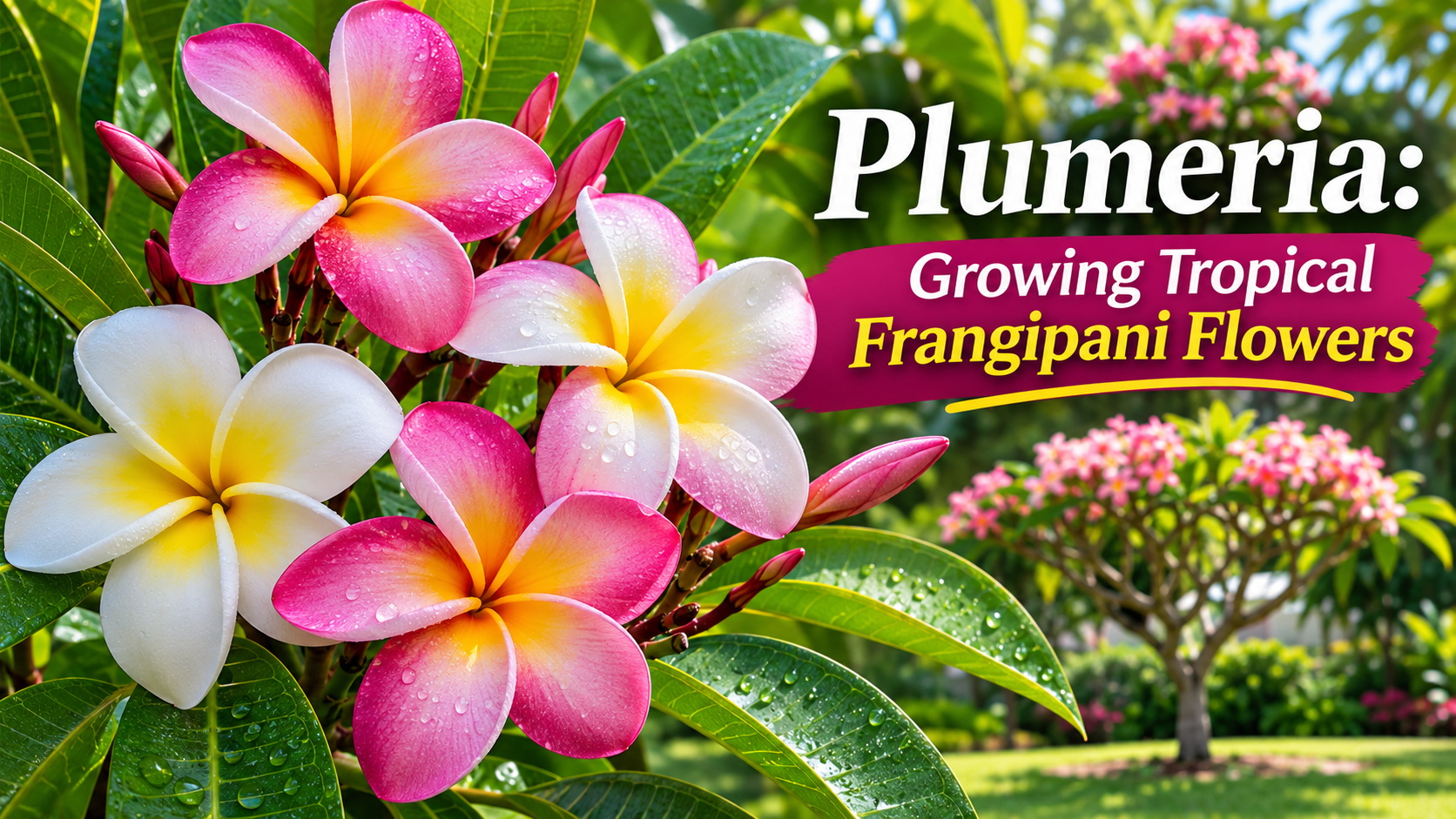
Plumeria, commonly known as frangipani, is one of the most beautiful flowering plants for tropical and subtropical gardens. With its fragrant blossoms, attractive branches, and striking flower colors, this ornamental tree brings a tropical atmosphere to gardens, terraces, and sunny courtyards.
Originally native to tropical regions of the Americas, Plumeria is now cultivated throughout warm climates worldwide. Its flowers are especially appreciated for their delicate fragrance and colorful appearance.

What Is Plumeria?
Plumeria is a genus of flowering shrubs and small trees belonging to the Apocynaceae family. Its thick branches store moisture, allowing established plants to tolerate relatively dry conditions.
The flowers usually have five overlapping petals and appear in clusters near the ends of branches. Depending on the variety, their colors include white, cream, yellow, pink, red, and multicolored combinations.
Popular Types of Plumeria
1. Plumeria rubra
One of the most widely cultivated species, Plumeria rubra produces flowers in numerous colors, including pink, red, yellow, and white. Its leaves are generally deciduous under seasonal conditions.
2. Plumeria obtusa
Often called Singapore frangipani, this species features glossy green leaves and attractive white flowers with yellow centers. It can retain foliage throughout the year in suitable tropical climates.

3. Plumeria alba
Plumeria alba is recognized for its slender leaves and white flowers with yellow centers. It is another attractive choice for tropical gardens.
How Much Sunlight Does Plumeria Need?
Plumeria grows best in full sunlight. Ideally, provide at least six hours of direct sunlight every day. Bright conditions support healthy foliage, strong branches, and abundant flowering.
In extremely hot climates, including the United Arab Emirates, established plants usually tolerate intense sunlight. Newly planted trees and young cuttings may benefit from temporary afternoon protection while becoming established.
Best Soil for Plumeria
Good drainage is essential for growing healthy frangipani. Plumeria roots can rot if the soil remains continuously wet.
A suitable growing mixture may contain:
- Well-draining cactus or succulent potting soil
- Perlite or pumice to increase aeration
- Coarse mineral material to improve drainage
- A modest amount of organic matter
For container-grown plants, always choose pots with adequate drainage holes. Avoid leaving water standing in saucers beneath the containers.
How Often Should You Water Plumeria?
Watering depends on temperature, sunlight, plant size, and soil conditions.
During active growth, water thoroughly and then allow the upper soil to dry before watering again. Established garden trees may need less frequent irrigation than young container plants.
During cooler weather or when the plant loses its leaves and enters dormancy, reduce watering substantially.
Important: Overwatering is among the most common causes of stem and root rot in Plumeria.
How to Encourage More Plumeria Flowers

Plumeria flowers most successfully when it receives consistent warmth, strong sunlight, and appropriate nutrition.
- Provide at least six hours of direct sunlight.
- Use a balanced fertilizer moderately during active growth.
- Avoid excessive nitrogen, which encourages leafy growth.
- Maintain good drainage and sensible watering.
- Allow young plants time to mature before expecting abundant flowers.
- Avoid unnecessary pruning of branch tips because flower clusters develop near growing tips.
Flowering periods vary according to species, cultivar, and local climate. In warm regions, some varieties can flower over an extended growing season.
How to Propagate Plumeria from Cuttings
One of the easiest ways to grow additional Plumeria plants is through stem cuttings.
- Choose a branch: Select a healthy, mature stem from a disease-free plant.
- Make the cut: Use clean, sharp pruning shears.
- Allow healing: Leave the cut end in a dry, shaded location until a protective callus develops.
- Prepare the pot: Fill a suitable container with a fast-draining rooting medium.
- Plant the cutting: Insert the callused end into the medium and support it if necessary.
- Provide warmth: Keep the cutting in a bright, warm position.
- Water carefully: Avoid keeping the medium continuously wet while roots develop.
Root development may take several weeks or longer depending on temperature, cutting condition, and growing conditions.
Common Plumeria Problems
| Problem | Possible Cause | Solution |
|---|---|---|
| Yellow leaves | Dormancy, excess water, or stress | Check soil moisture and seasonal conditions |
| No flowers | Low sunlight or immature plant | Improve sunlight and growing conditions |
| Soft branches | Possible stem rot | Inspect tissue and correct drainage problems |
| Orange leaf spots | Possible Plumeria rust | Remove fallen infected leaves and improve airflow |
| Curled leaves | Pests or environmental stress | Inspect for insects and check watering |
Growing Plumeria in the UAE
Plumeria is well suited to many sunny gardens in Abu Dhabi, Dubai, and other warm parts of the UAE.
To encourage healthy growth:
- Choose a sunny outdoor location.
- Plant in well-draining soil.
- Water according to soil dryness rather than a rigid schedule.
- Protect young plants during extreme summer heat.
- Ensure irrigation does not keep the root zone permanently saturated.
- Monitor for pests and signs of leaf disease.
Container-grown plants may require more frequent monitoring because pots can dry quickly during hot weather.
Using Plumeria in Garden Landscaping

Plumeria is an excellent ornamental choice for tropical, Mediterranean-inspired, and contemporary garden designs.
Its branching form and fragrant flowers make it suitable for:
- Garden entrances and courtyards
- Sunny patios and terraces
- Swimming-pool landscapes
- Decorative large containers
- Tropical-themed residential gardens
- Landscape focal points
Allow adequate space around the tree for its mature canopy and seasonal growth.
Is Plumeria Safe Around Pets?
Plumeria produces a milky latex sap that may irritate skin and eyes. Ingestion of plant material can also cause irritation or gastrointestinal symptoms.
Wear protective gloves when cutting or pruning the plant. Keep cut branches and fallen plant material away from children and pets.
Frequently Asked Questions About Plumeria
Can Plumeria grow in pots?
Yes. Plumeria grows well in containers when supplied with sunlight, drainage, and adequate room for its roots.
Why is my Plumeria not flowering?
Common reasons include insufficient sunlight, an immature plant, excessive nitrogen fertilizer, or unsuitable growing conditions.
Does Plumeria lose its leaves?
Many Plumeria varieties naturally lose their leaves during cooler or drier periods. Some species remain evergreen in consistently favorable climates.
How tall can a Plumeria tree grow?
Height varies by species and growing conditions. Some Plumeria trees can reach several meters in height, while pruning and container cultivation can help maintain smaller plants.
Does Plumeria need daily watering?
Not necessarily. Plumeria prefers well-drained soil and should be watered according to actual moisture conditions rather than automatically every day.
Conclusion
Plumeria is a rewarding flowering plant for gardeners who appreciate tropical beauty and fragrant blossoms. Its colorful flowers, attractive branches, and relative tolerance of dry conditions make it a popular landscaping choice in warm regions.
By providing plenty of sunlight, well-draining soil, careful watering, and appropriate seasonal feeding, gardeners can enjoy healthy frangipani plants and beautiful flowers for years to come.
References and Further Reading
- University of Florida IFAS – Plumeria Growing Guide
- Royal Horticultural Society – Frangipani Growing Guide
- Wikimedia Commons – Plumeria rubra Images
- Wikimedia Commons – Plumeria obtusa Images
Image credit and licensing note: Photographs are linked from Wikimedia Commons. Review the individual file description pages for photographer attribution, specific Creative Commons license terms, and any required links before commercial publication.