

Views: 13
Basil: How to Grow Fresh Herbs at Home


8
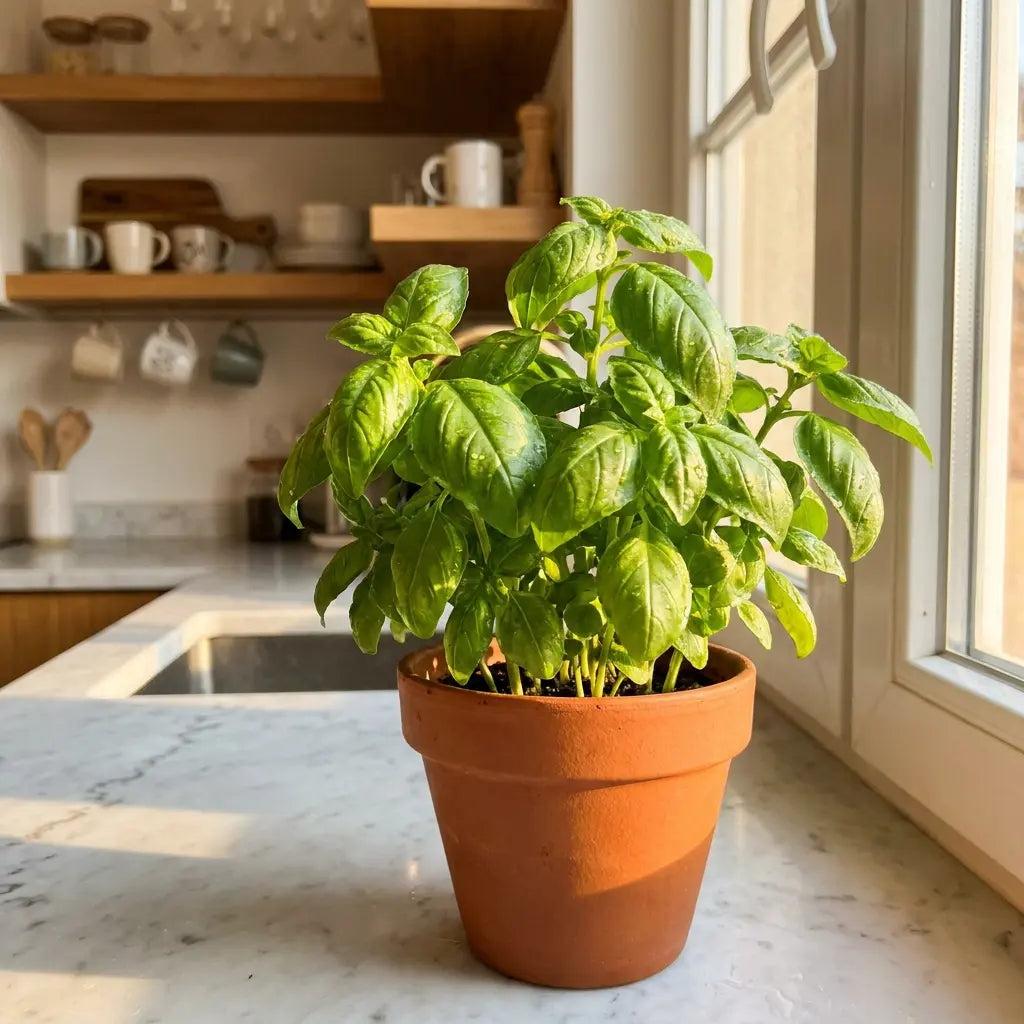
Basil (Ocimum basilicum) is one of the most popular culinary herbs in the world. Known for its fragrant green leaves and distinctive flavor, basil is widely used in Italian, Mediterranean, and Asian cooking. The good news is that basil is easy to grow at home, even without a garden.
Whether you have a sunny balcony, a kitchen windowsill, or a small outdoor space, you can enjoy fresh basil throughout much of the year with proper care.
1. Choosing the Right Basil Variety
There are several varieties of basil, each offering a different flavor and appearance.

Sweet Basil (Genovese)
The classic variety used in pesto, pasta, and salads. Excellent for beginners.

Thai Basil
Features a slightly spicy, anise-like flavor and is commonly used in Southeast Asian cuisine.

Purple Basil
Distinguished by its dark purple leaves, making it attractive in gardens and salads.

Lemon Basil
Offers a refreshing citrus aroma, ideal for seafood, sauces, and herbal drinks.
2. Ideal Growing Conditions
Basil grows best in warm conditions with sufficient light, moisture, and well-draining soil.
| Growing factor | Ideal condition |
|---|---|
| Sunlight | 6–8 hours of direct sunlight daily |
| Temperature | 20–30°C |
| Soil | Fertile, well-draining potting mix |
| Soil pH | Approximately 6.0–7.5 |
| Watering | When the top 2–3 cm of soil feels dry |
| Container | At least 15–20 cm deep, with drainage holes |
| Germination | Usually 5–10 days in warm conditions |
In hot climates such as Abu Dhabi, basil benefits from morning sunlight and protection from intense afternoon heat. During summer, a bright indoor location or partially shaded balcony may be more suitable than full outdoor exposure.
3. How to Plant Basil Step by Step

Step 1 — Prepare the container
Choose a pot with drainage holes and fill it with quality potting mix.

Step 2 — Sow the seeds
Plant seeds about 0.5 cm deep and gently cover with soil.

Step 3 — Water gently
Keep the soil evenly moist during germination, without making it waterlogged.

Step 4 — Provide warmth and light
Place the pot somewhere warm and bright. Once seedlings emerge, gradually provide stronger light.

Step 5 — Thin and maintain
Remove weaker seedlings to give the remaining plants sufficient space. Water and monitor growth regularly.
4. Pruning and Harvesting Basil
Regular harvesting encourages basil to produce more branches and leaves.

Once the plant reaches approximately 15–20 cm tall, pinch or cut the main stem just above a pair of healthy leaves. Two side shoots can then develop from the nodes below the cut.
Avoid removing more than one-third of the plant at a time. Remove flower buds when they appear if your priority is continued leaf production.
Under good conditions, basil may be ready for its first light harvest around 6–8 weeks after sowing, although growth rates vary.
5. Common Basil Problems
| Problem | Possible cause | Solution |
|---|---|---|
| Yellow leaves | Overwatering or nutrient deficiency | Check drainage and feeding |
| Wilting | Dry soil, heat stress, or damaged roots | Check soil moisture and shade |
| Brown leaf edges | Sun scorch or inconsistent watering | Protect from harsh afternoon sun |
| Leggy growth | Insufficient light | Move to a brighter location |
| Holes in leaves | Insect damage | Inspect leaves and remove pests |
| Blackened leaves | Cold damage | Keep away from cold drafts |
6. Using and Storing Fresh Basil


7
Fresh basil adds flavor to many dishes, including pesto, pasta, pizza, salads, soups, and sauces.
For short-term storage, place freshly cut stems in a glass of water at room temperature, away from direct sunlight. Basil leaves can suffer chilling damage in a cold refrigerator. For longer storage, freeze chopped basil with a little olive oil in an ice cube tray.
7. Simple Weekly Basil Care Checklist
Weekly plant care
0 of 5 completedCheck soil moisture and water when neededInspect leaves for pests and discolorationRotate indoor pots for balanced growthPinch growing tips or harvest mature leavesRemove flower buds if growing for leaves
Reset weekly checklist
Conclusion
Growing basil at home is a rewarding way to enjoy fresh, aromatic herbs while adding greenery to your living space. With adequate sunlight, careful watering, regular pruning, and protection from extreme temperatures, even a single pot can provide repeated harvests.
The key to healthy basil is simple: plenty of light, good drainage, and frequent harvesting.