
Views: 19
Date Palm: The Iconic Tree of the Arabian Peninsula
PLANTS • DESERT BOTANY • ARABIAN HERITAGE


10
The date palm (Phoenix dactylifera) is much more than a fruit-producing tree. For thousands of years, it has represented life, prosperity, hospitality, and resilience across the Arabian Peninsula.
Growing in some of the world’s harshest cultivated environments, this remarkable palm has provided generations of desert communities with nutritious food, shade, building materials, and economic opportunities.
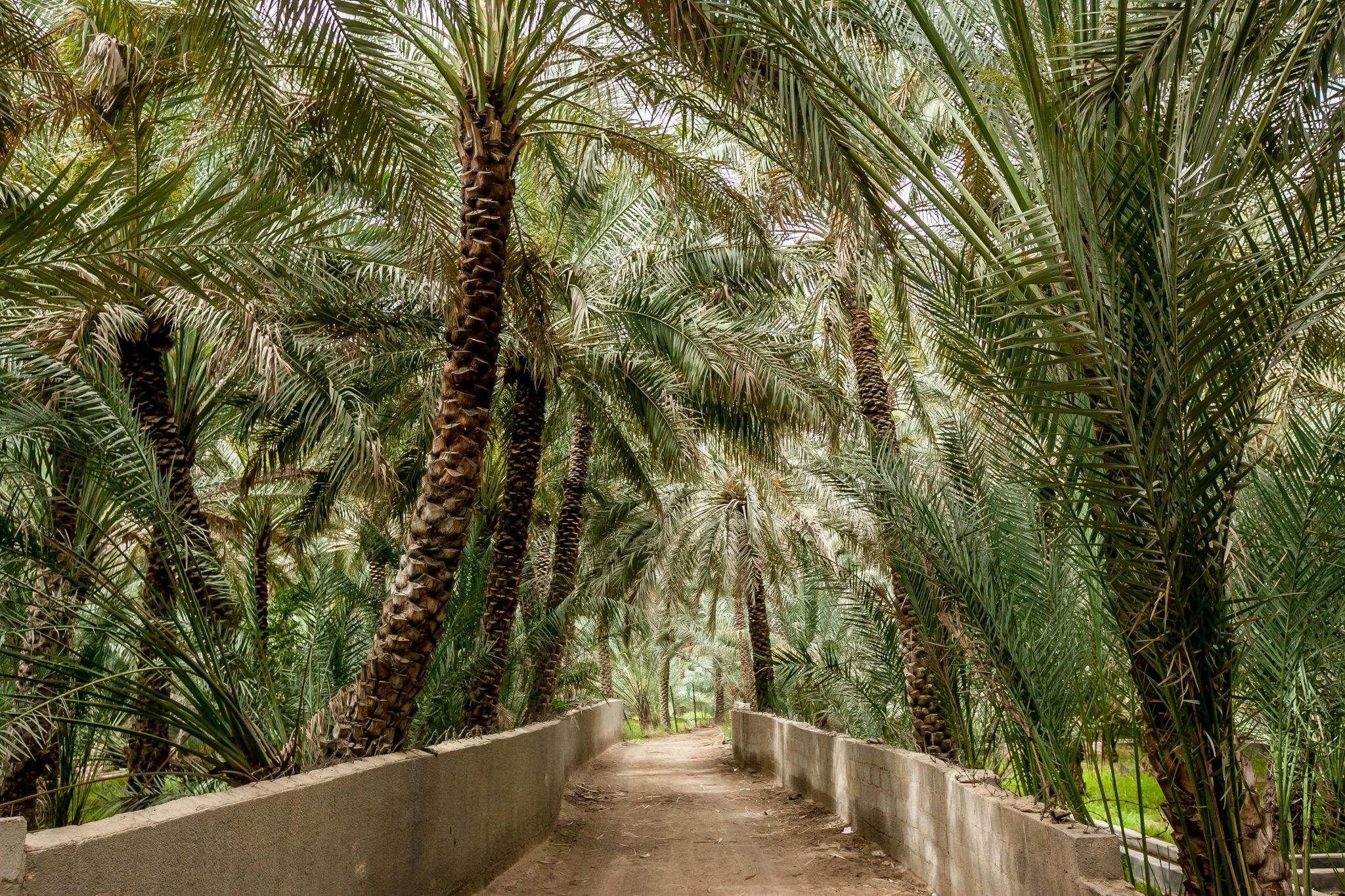
From the historic oases of the United Arab Emirates to the extensive palm groves of Saudi Arabia and Oman, the date palm remains one of the region’s most recognizable natural and cultural symbols.
1. Botanical Characteristics
| Characteristic | Description |
|---|---|
| Scientific name | Phoenix dactylifera |
| Family | Arecaceae |
| Plant type | Evergreen, fruit-bearing palm |
| Height | Up to approximately 30 metres |
| Leaves | Long, feather-shaped fronds |
| Climate | Hot, arid and subtropical |
| Fruit | Dates |
| Reproduction | Separate male and female palms |
The date palm has a strong, upright trunk crowned by long green leaves that can reach approximately five metres in length. Female palms produce large clusters of dates once their flowers are successfully pollinated.
Unlike many other fruit crops, date palms have separate male and female plants. Farmers frequently transfer pollen from male palms to female flowers by hand to improve fruit production.
Kew
+1
2. A History Stretching Back Thousands of Years
Date palm cultivation is believed to have begun more than 6,000 years ago in the Middle East, although the precise details of domestication remain an active subject of scientific research.
Throughout ancient Arabian civilizations, dates were especially valuable because they could be dried, stored and transported through desert environments.
The palm became an essential part of oasis agriculture, supporting settlements and trading communities. Its leaves were woven into baskets and mats, while other parts were used for household items, construction and fuel.
Today, the tree continues to connect modern Arabian societies with their agricultural heritage.
Kew
+1
3. How Date Palms Survive the Desert


9
Date palms possess several characteristics that help them thrive in hot environments.
- Heat tolerance: Established palms can tolerate extremely high summer temperatures.
- Extensive roots: Their root systems help them access water and anchor themselves in sandy soils.
- Tough leaves: Narrow leaflets and protective surfaces help manage moisture loss.
- Long productive lifespan: Well-maintained palms can produce fruit over many decades.
- Adaptability: They can grow in a range of soils, provided drainage and water management are suitable.
However, desert tolerance does not mean the trees can survive without water. Commercial date cultivation requires reliable irrigation, particularly during establishment and fruit development.
4. From Flowers to Delicious Dates
FRUIT DEVELOPMENT
KimriGreen, immature
KhalalFull-sized, crisp
RutabSoftening, sweet
TamrFully ripe
Illustration of the four commonly described stages of date fruit development. Fruit color varies by variety.
The development of date fruit is generally divided into four recognizable stages:
- Kimri: The young fruit is green, firm and still developing.
- Khalal: The fruit reaches full size and typically becomes yellow or red, depending on the cultivar.
- Rutab: The dates begin to soften and become sweeter.
- Tamr: The fruit reaches its final ripening stage, with lower moisture content and greater suitability for storage.
This progression helps farmers determine the appropriate harvesting time for different market requirements.
5. Famous Date Varieties

Medjool
Large, soft dates with rich, caramel-like sweetness. Widely appreciated as a premium table variety.

Deglet Noor
Amber-colored dates with a firmer texture and delicate sweetness, commonly enjoyed as a snack and used in recipes.

Khalas
Particularly popular in the Arabian Gulf, recognized for its balanced sweetness and pleasant texture.

Ajwa
Dark-colored dates closely associated with Medina in Saudi Arabia, valued for their distinctive appearance, flavor and cultural significance.
6. Cultural Importance in the Arabian Peninsula


10
In Arabian culture, the date palm symbolizes generosity, patience, prosperity and the connection between people and their land.
Dates are traditionally offered to guests alongside Arabic coffee. They also hold special importance during Ramadan, when Muslims commonly break their fast with dates.
The palm’s significance extends beyond food. Traditional craftspeople have used its fronds and fibres to make baskets, mats, ropes and other everyday objects.
In 2019, knowledge and traditions associated with date palms were recognized by UNESCO as intangible cultural heritage, with an expanded multinational inscription adopted in 2022.
UNESCO Intangible Cultural Heritage
+1
7. Growing and Caring for Date Palms
Successful date palm cultivation requires careful management, even in regions where the species is naturally well adapted.
| Requirement | Recommended conditions |
|---|---|
| Sunlight | Full sun |
| Soil | Deep, well-draining soil |
| Watering | Regular, controlled irrigation |
| Temperature | Long, hot growing seasons |
| Propagation | Offshoots or tissue culture for true-to-type plants |
| Pollination | Often carried out manually |
| Maintenance | Pruning, nutrition, pest monitoring |
Young trees need particular attention while their roots establish. Mature palms require sufficient water during hot periods and fruit development.
Farmers must also monitor pests, especially the red palm weevil, and use appropriate integrated pest management practices to protect their plantations.
8. The Future of Date Palm Cultivation

The date palm continues to play an important role in agricultural development across the Arabian Peninsula.
Modern cultivation increasingly combines traditional expertise with scientific techniques, including drip irrigation, improved soil management, tissue-culture propagation, and technology-assisted monitoring.
Water efficiency is especially important. Although date palms tolerate desert heat, sustainable cultivation depends on careful management of limited freshwater resources.
Preserving diverse date varieties also helps maintain the agricultural and cultural heritage of the region.
Conclusion
The date palm is one of the most enduring symbols of the Arabian Peninsula. Its ability to produce nutritious fruit in demanding environments has shaped centuries of agricultural traditions and community life.
From ancient oasis settlements to modern farms, Phoenix dactylifera remains a remarkable example of the relationship between humans, plants and the desert environment.
Its legacy is not simply about producing dates. It represents survival, innovation, generosity and the lasting value of nature in Arabian civilization.
SEO and publishing details
SEO title
Date Palm: History, Benefits, Cultivation & Arabian Heritage
URL slug
date-palm-arabian-peninsula
Meta description
Discover the date palm (Phoenix dactylifera), its desert adaptations, famous varieties, cultivation, and cultural importance in the Arabian Peninsula.
Primary keyword
Date palm
Secondary keywords
Phoenix dactylifera, Arabian date palm, date palm cultivation, date varieties, UAE palm trees, desert agriculture
Suggested category
Plants → Trees → Date Palm
Featured image suggestion
A mature date palm with golden dates hanging beneath its green crown, surrounded by a traditional Arabian oasis.
Image alt text
Date palm tree bearing golden dates in a traditional Arabian oasis.
References
- Royal Botanic Gardens, Kew — Date Palm
- Kew Science — Phoenix dactylifera
- UNESCO — Date Palm Cultural Heritage
Publishing status: Article prepared; not published to the website. Images above are visual references and should be checked for reuse rights before publication.